Blog
October 30, 2026
·6 min readBuying 3D Assembly Instructions? Test the Procedure, Not Just the Model

Otuokon Nsikak
Use a product viewer when the reader needs to inspect an object and locate a visible detail. Commission an assembly guide when the reader needs an approved sequence for putting parts together. If you need both, evaluate them as separate tasks. Rotation and zoom demonstrate inspection; they do not establish that a procedure is complete or appropriate for the product.
For a manufacturer's documentation lead, the expensive misunderstanding happens before production: a brief asks for an interactive manual, but the demonstration only shows an attractive model. The supplier and buyer may be approving different deliverables. Resolve that difference before extending the work across a product family.
SwiftXR's role can begin with product orientation. Its 3D Viewer documentation describes rotation, zoom, camera settings and hotspot labels. Those capabilities can help readers inspect a product beside its manual. Treat procedural authoring, step control and approval as requirements to verify separately, rather than infer from a viewer demonstration.
Define what the reader must accomplish
A useful brief starts with a sentence about the reader's task. “Find the removable tray” and “assemble the organiser in the correct order” ask for different evidence. The first concerns identification and orientation. The second requires an authored procedure whose owner can explain the sequence and accompanying information.
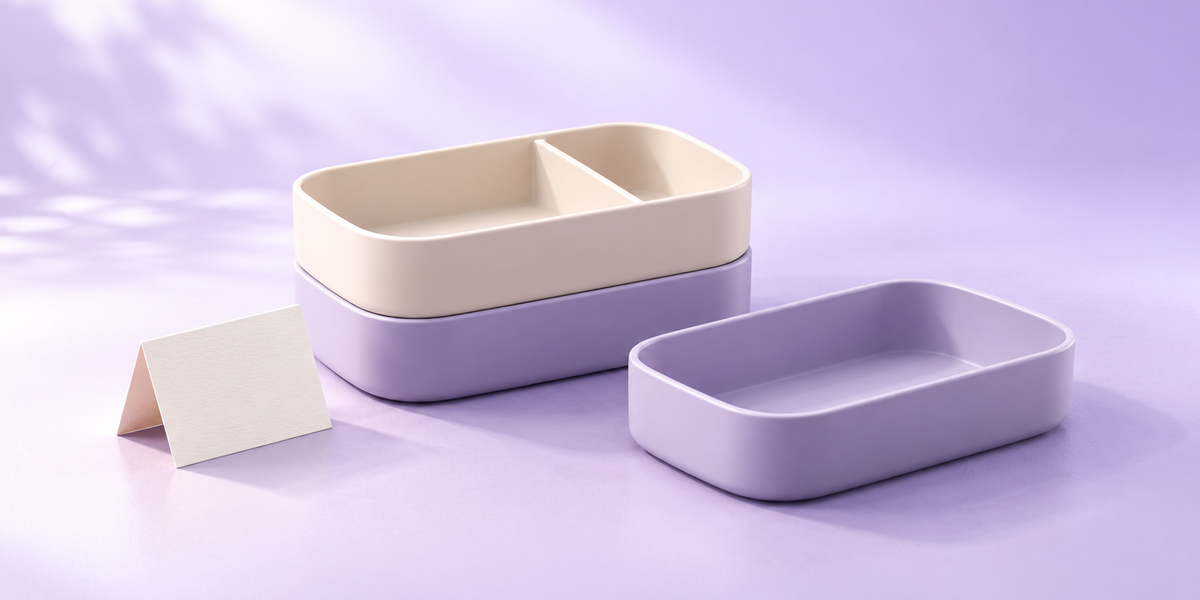
Consider a fictional modular desktop organiser. An explorable view could help a buyer distinguish the shallow tray from the divided tray. That tells the team little about whether an assembly guide identifies the correct components, presents the approved order or sends the reader to the right product revision. The organiser is a planning example, not a customer case or an assembly instruction.
Ask the product owner which task belongs on the sales page, which belongs in the maintained manual and which requires another channel. A single experience may serve more than one purpose, but each purpose still needs an explicit acceptance decision.
Compare deliverables before comparing interfaces
For product orientation, request an approved model, an appropriate starting view, useful labels and a working link or embed. Inspect it beside the exact product name and specification. A polished model of a neighbouring variant is the wrong deliverable even when the controls work.
For procedural guidance, request the agreed steps, product and document revision, supporting text, required illustrations and a named approval owner. Ask the supplier to demonstrate how readers move between steps and find the maintained source document. These are procurement requirements, not a claim that every instruction tool supplies them automatically.
Specialist technical illustration has a different scope from merely displaying an object. For example, PTC's Creo Illustrate documentation describes CAD and bill-of-materials inputs, multiple figures, exploded views and animation. This establishes the kind of deliverable worth discussing; it is not a recommendation, feature ranking or claim of compatibility with SwiftXR.
The useful comparison is therefore between acceptance evidence:
- Orientation: can the reader identify and inspect the relevant visible detail?
- Procedure: does the approved content explain the required sequence and its scope?
- Delivery: can the intended reader reach the correct experience and supporting document?
Run two tasks through the same pilot
Give the supplier one representative product, its approved model and the authoritative manual. Ask for an orientation demonstration and a procedural demonstration as separate parts of the brief. Keep the original source documents available throughout the review.
First, ask a reader unfamiliar with the model to locate a named component. Observe the starting view, label clarity and the route back to the product details. Record confusion in the reader's own words, with permission, rather than translating a click into evidence of understanding.
Then have the procedure owner review the proposed sequence against the maintained manual. Ask how missing information, changed components and incorrect variants would be detected before release. A video of parts moving is not, by itself, an approval record. Keep actual physical assembly assessment with the people and procedures responsible for that work.
Review the published destination on the phones and desktops readers will use. Check whether instructions, essential text and contact routes remain available if the interactive element cannot load. Test the real entry link, not only the supplier's editor preview.
Make the next revision part of the purchase
Return to the fictional organiser and change the divided tray. Ask which model, illustrations, labels and document references need review. The answer should identify a responsible owner and a release process, rather than promise that all connected material updates automatically.
Agree what the team receives when the pilot ends: approved assets, editable source where contracted, destination links and an account of what still requires specialist authoring. Confirm access and permitted use with the supplier before commissioning more products. No standard price or turnaround follows from choosing a particular visual format.
Where SwiftXR provides the orientation layer, its HTML integration guide describes publishing an experience and copying embed code into a website. Place that view beside the maintained instructions and correct product identifier. Our product support guide solution illustrates the narrower job of helping readers locate a visible detail.
Questions to settle before commissioning
Can a 3D product viewer replace an assembly manual?
Do not assume that it can. Establish the required content and approvals first. A viewer may support orientation while the maintained manual owns the procedural information. Evaluate any wider capability against the actual brief.
Do we need animated assembly steps?
Only if the reader task benefits from showing a sequence. Ask for one representative step demonstration and have the procedure owner assess it. Choose the communication format after defining the information, rather than making animation the acceptance criterion.
What should we bring to a SwiftXR demo?
Bring an approved model, a reader question, the current manual and the intended page. Book a SwiftXR demo to test the orientation experience and document handoff together. Separate any requirement for procedural authoring from the viewer evaluation.
Sources and scope
SwiftXR and PTC capability statements were checked against current official documentation on 28 October 2026. The pilot method is editorial guidance and the organiser is fictional. This guide provides no assembly steps, safety assessment, customer outcome, supplier ranking or guarantee of comprehension.