September 17, 2026
·7 min readBest Virtual Try-On Software for Ecommerce

Otuokon Nsikak
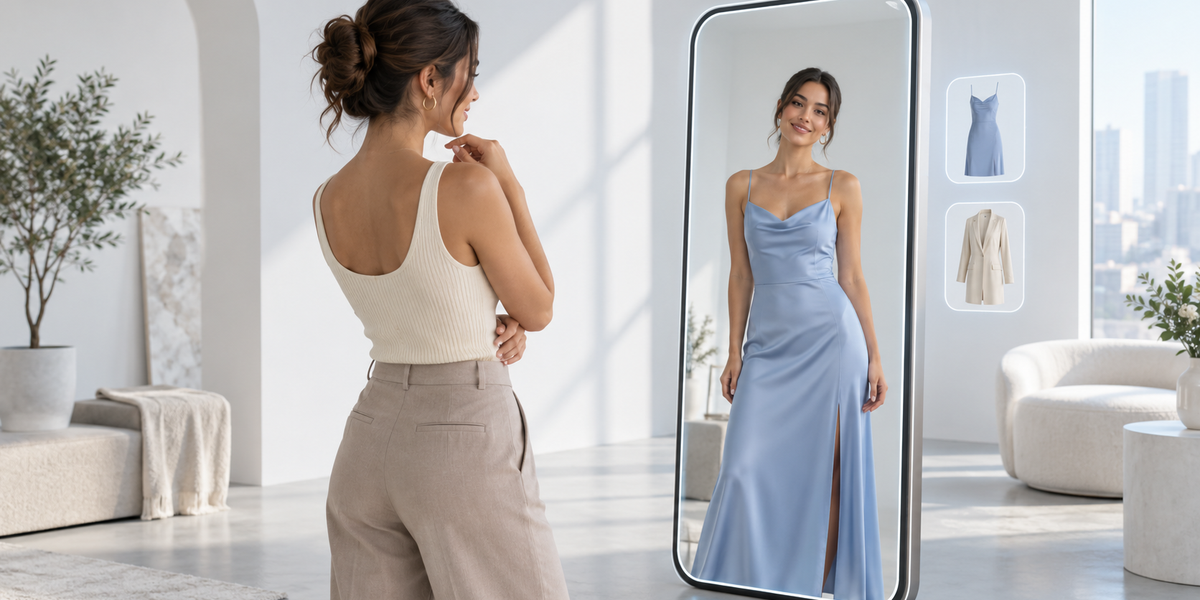
Shoppers do not abandon wearable products because they dislike the brand. They abandon them because they cannot answer one question with confidence:
How will this look on me?
That is the job of virtual try-on. Not a gimmick on a campaign page. A product-page tool that reduces uncertainty before checkout.
The market is full of tools that call themselves try-on software. Some need an app. Some only work in a demo environment. Some are built for marketing moments, not catalogue operations. For ecommerce, the best virtual try-on software is the one that helps a shopper decide on the page where they already are, without creating a new technical burden for your team.
This guide sets the criteria that matter, then shows where SwiftXR fits.
What virtual try-on means in ecommerce
In retail terms, virtual try-on lets a shopper see a product on themselves or in relation to their body before buying.
Depending on the product and the platform, that can include:
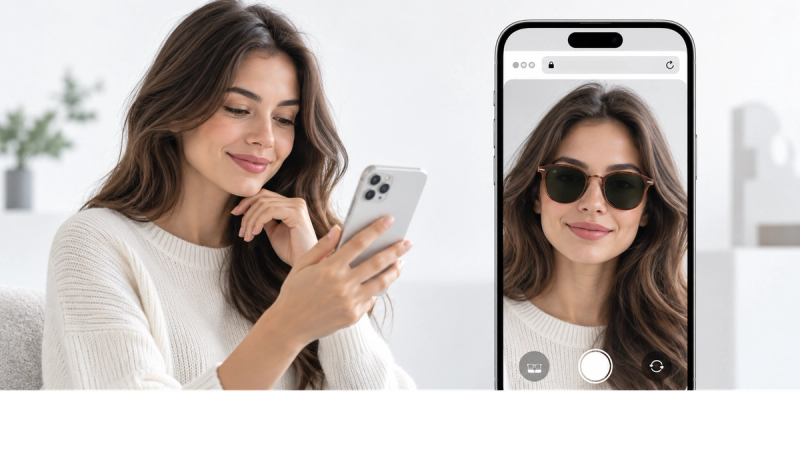
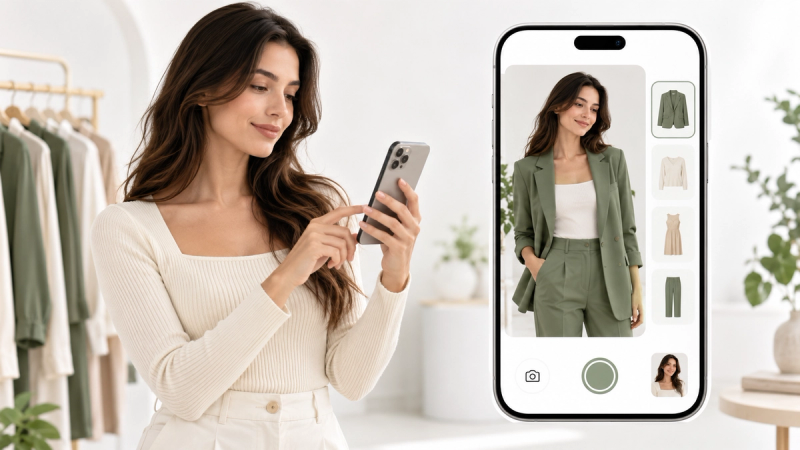
- Photo-based try-on, where a shopper uploads or captures a photo and sees the product on them
- Face-tracking try-on for eyewear, beauty, jewellery, and similar categories
- Live camera try-on in the browser
- 3D inspection paired with try-on so detail and fit confidence work together
For ecommerce teams, the format matters less than the outcome: fewer wrong guesses, stronger purchase confidence, and less post-purchase disappointment.
What separates strong try-on software from weak demos
1. It works on the product page
If shoppers have to leave checkout flow, install an app, or open a separate destination, completion drops.
The stronger standard is simple: try-on lives where the product is sold.
2. It is app-free for the customer
App installs are friction. Browser-based try-on removes a step most shoppers will not take for a single product decision.
3. It fits real catalogue operations
A tool that looks impressive on one hero SKU but cannot be maintained across a season is not ecommerce software. Your team needs to enable products, update them, and keep the experience aligned with what you actually sell.
4. AI reduces setup and decision friction
AI is useful when it shortens the path from product to live try-on, or helps shoppers get a result from a single photo without technical setup. It is less useful when it only powers novelty effects that never reach the buy button.
5. It supports the categories you sell
Eyewear, jewellery, apparel, footwear, headwear, and accessories do not all fail in the same way. The best platform for your store is the one that matches your product type and your buyer’s doubts.
6. It connects to commercial action
Try-on should lead somewhere: add to cart, save the look, share, or continue shopping. Attention without a next step is not a conversion tool.
How to evaluate virtual try-on platforms quickly
Use one product and one question.
Pick a SKU with high return risk or high hesitation.
Enable try-on on a real product page or staging page.
Open it on a phone.
Time the shopper path from product page to result.
Ask a non-developer to update or replace that product.
If the experience is impressive in a sales deck but fails that test, it is not ready for ecommerce operations.
Where SwiftXR fits
SwiftXR is an immersive commerce platform for interactive 3D, AR, and virtual try-on experiences that publish onto the websites and stores teams already run.
For try-on specifically, SwiftXR supports shopper-facing experiences designed around ecommerce needs:
- AI Photo Try-On for fashion, footwear, apparel, and other wearables, where a shopper uploads or snaps a photo and sees the product on themselves
- Browser-based delivery with no customer app download
- Product-page publishing through supported storefront workflows and embeds
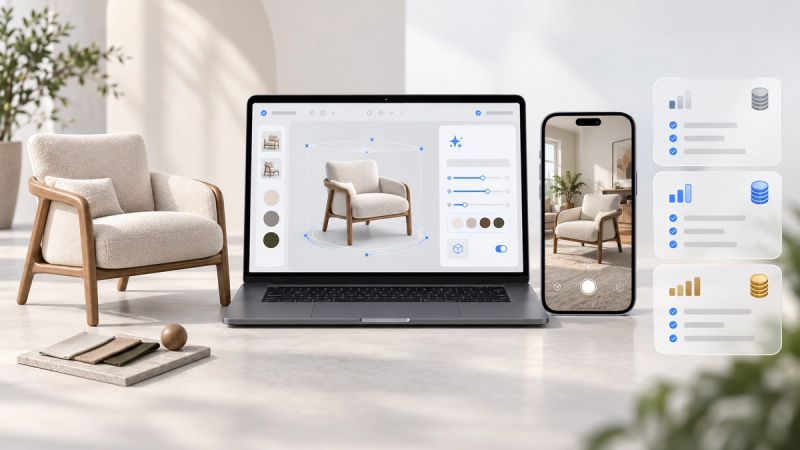
- Broader immersive tools in the same platform, including 3D product viewing, AR placement, and configuration, so try-on does not sit in isolation from the rest of the product experience
That combination matters because wearable brands rarely have only one confidence problem. A shopper may want to see a product on themselves and inspect finish, proportion, or variant options in the same journey.
SwiftXR is a strong fit when:
- You sell products people wear or try in relation to the body
- You want try-on on the storefront, not in a separate app
- Your team needs no-code setup and updates
- You want try-on alongside 3D and AR rather than as a disconnected widget
It is the wrong comparison if you only need a one-off campaign filter with no catalogue workflow behind it.
Best virtual try-on software depends on the job
There is no universal winner for every brand. There is a best fit for a defined use case.
If your priority is apparel and wearable photo try-on on the product page
Prioritise tools that make photo-based results fast, mobile-friendly, and easy to enable across products. SwiftXR’s AI Photo Try-On is built around that flow.
If your priority is accessories and face-worn products
Look for reliable face-tracking or equivalent try-on behaviour that works in the browser and does not force app installs.
If your priority is a wider immersive product system
Choose a platform that can support try-on plus 3D inspection and AR, so your stack does not fragment across five vendors.
If your priority is pure customisation or print-on-demand
A personalisation-first tool may be enough. Try-on depth and immersive product inspection may matter less than option logic.
The best software is the one that removes the exact doubt stopping your customer from buying.
What ecommerce teams should avoid
- Choosing based on demo polish alone
- Accepting app installs as a default
- Enabling try-on on every SKU before proving it on high-doubt products
- Treating try-on as a marketing stunt with no ownership after launch
- Separating try-on from the rest of the product page experience so shoppers have to piece the decision together themselves
Virtual try-on fails quietly when it is impressive once and abandoned by week three.
A practical rollout order
Choose one category where “how will this look on me?” drives returns or drop-off.
Enable try-on on a small set of products.
Measure interaction, continuation to cart, and qualitative feedback.
Train the team on product enablement and updates.
Expand only after the workflow is stable.
This keeps cost and complexity under control while you learn what your customers actually use.
The standard that matters in 2026
The best virtual try-on software for ecommerce is not the one with the longest feature list.
It is the one that:
- Meets the shopper on the product page
- Works in the browser without an app
- Can be run by ecommerce and merchandising teams
- Uses AI to reduce setup and shopper friction
- Helps people buy with more confidence
SwiftXR is built for that standard: app-free virtual try-on and immersive product experiences published where you already sell.
Explore SwiftXR Virtual Try-On →
Frequently Asked Questions
What is the best virtual try-on software for ecommerce?
The best option is the one that fits your product type, works on your product pages without an app, and can be maintained by your team. For many wearable and fashion brands, SwiftXR is a strong fit because try-on sits inside a broader no-code 3D and AR commerce workflow.
Does virtual try-on work without an app?
Yes. Browser-based try-on is the better default for most ecommerce stores because it removes install friction.
Is AI virtual try-on only for fashion?
No. Fashion, footwear, apparel, headwear, and other wearables are common use cases. The right method depends on the product.
Can small teams use virtual try-on software?
Yes, if the platform is no-code and does not require a developer for routine product enablement and updates.
Should try-on replace product photography?
No. Photography still matters. Try-on adds a personal decision layer that static images cannot provide.