
Blog
February 4, 2026
·4 min readHow Immersive Lessons Bring Learning to Life in the Classroom

Chidinma Uzor
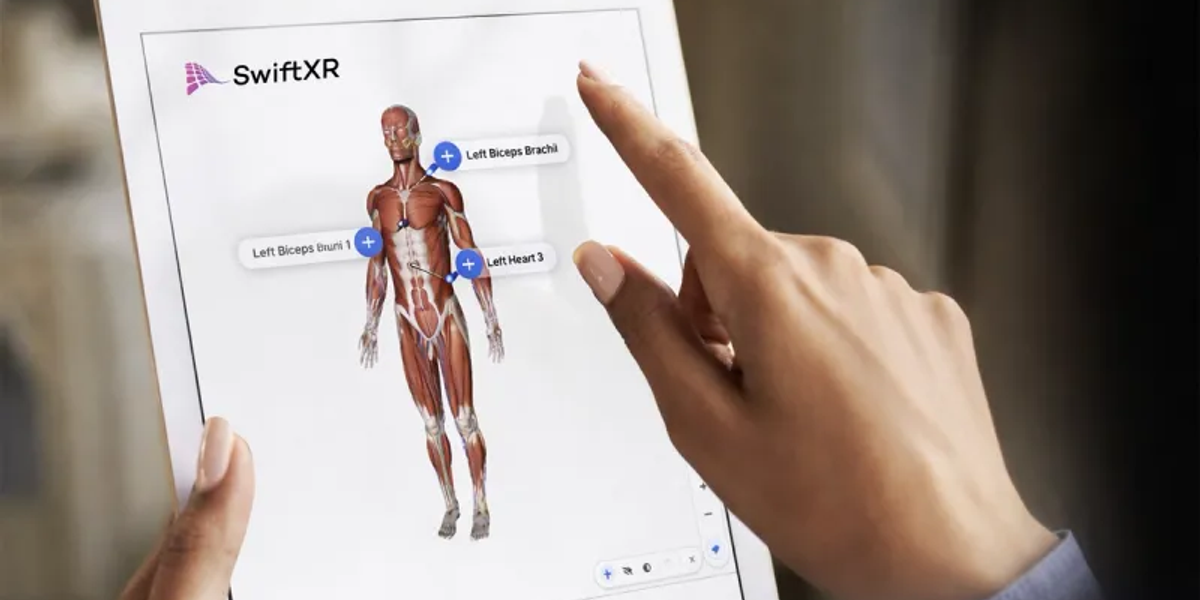
Students remember lessons that feel real. The moments that stay with them are not long explanations or crowded slides, but experiences that allow them to see, explore, and interact with what they are learning. In a world shaped by visual and digital experiences, classrooms that rely only on traditional methods often struggle to hold attention and inspire curiosity.
Immersive lessons matter because they bridge this gap. They turn learning into something students can experience rather than imagine, making education more engaging, effective, and relevant.
The Problem Educators Face Today
Many classrooms still depend heavily on static content. Textbooks, diagrams, and lectures often ask students to picture complex ideas in their minds without enough support. For many learners, this creates confusion, disengagement, and frustration.
Teachers also face time constraints and diverse learning needs. Explaining abstract concepts repeatedly, while trying to keep every student engaged, can be exhausting. When students lose interest or fail to grasp key ideas, learning outcomes suffer and confidence drops.
What Has Changed in Education and What AR Makes Possible
Technology has reshaped how students interact with information. Learners now expect content to be visual, interactive, and intuitive, and education competes daily with the immersive digital experiences students encounter outside the classroom.
In response, Augmented Reality (AR) has matured into a practical teaching tool. Educators can now align AR contents directly with curriculum goals, making experiential learning possible without disrupting existing teaching methods.
With an AR lesson, students engage directly with learning materials in their physical environment. Concepts that once felt abstract become clear and interactive as students explore 3D models, observe processes in motion, and examine details from multiple angles. This active participation supports deeper understanding, improves retention, and accommodates different learning styles.
Teachers also gain tools that enhance explanation rather than replace instruction, allowing lessons to feel more dynamic, collaborative, and engaging.
Using AR to Enhance Classroom Learning
Using augmented reality to enhance classroom lessons does not require changing existing lesson plans. Educators can begin by applying AR to topics that are difficult to visualise or where student engagement tends to drop off. Starting with simple experiences helps teachers and students build familiarity, while gradually strengthening lessons with interactive content that supports learning goals.
Platforms like SwiftXR make it possible to create, manage, and deploy AR lesson plans without technical complexity. Educators can focus on teaching goals while using AR as a support tool to enrich learning.
How Educators Can Build AR Lessons Using SwiftXR
Step 1: Create a SwiftXR Account

Visit the SwiftXR website and sign up. Once you’re registered, log in to access your dashboard.
Step 2: Create Project
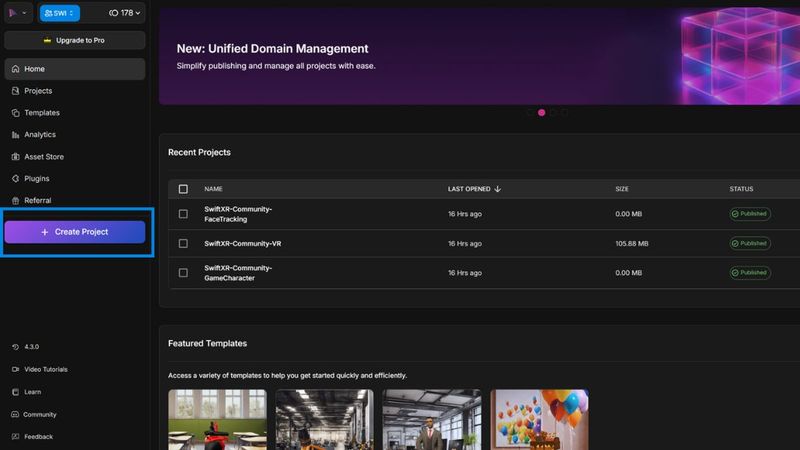
Click the Create Project button to open the canvas where you’ll build your AR lesson.
Step 3: Select the AR component
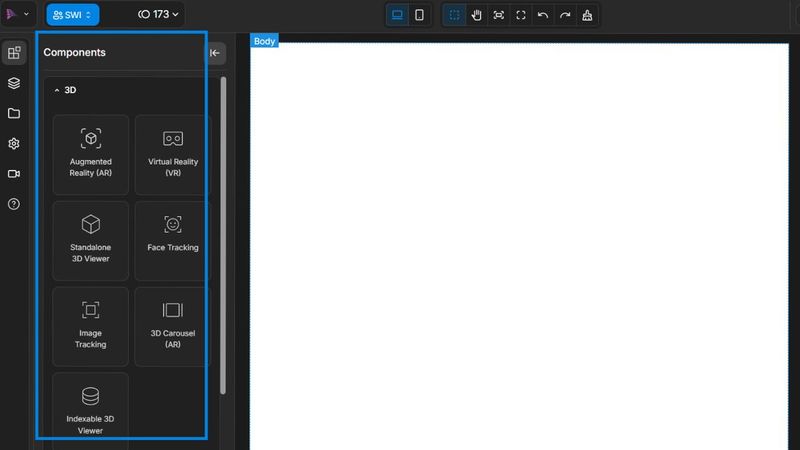
Start by selecting the Augmented Reality (AR) component in the editor
Step 4: Upload your 3D Model
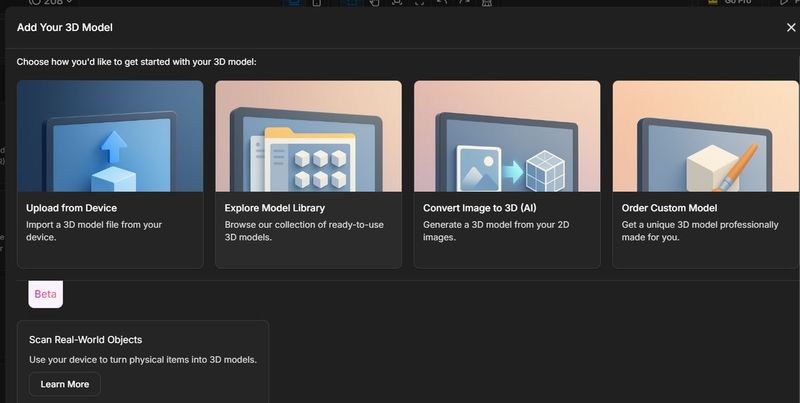
Upload your 3D model from your device or choose a free model from the SwiftXR store. If you don’t have a 3D model, you can request a custom one from our team.
Step 5: Build and Customize Your AR Experience
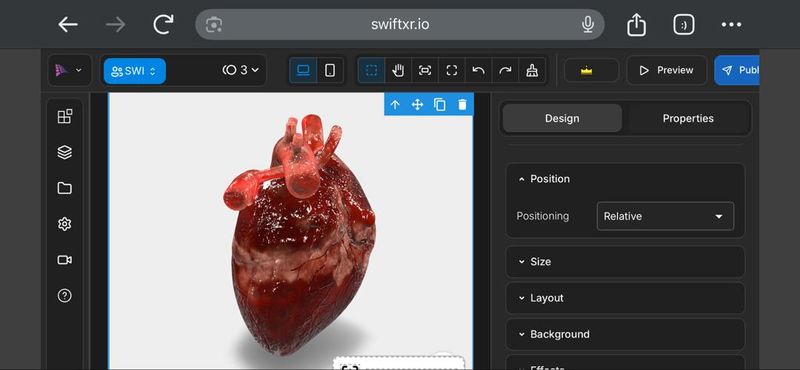
Drop your 3D model onto the canvas and start building your AR experience. Add interactive elements such as hotspots to highlight key product features, adjust colors, and customize other elements as you like to make your lesson engaging.
Step 6: Publish and Share with Students

Once satisfied, publish your AR lesson. SwiftXR generates a shareable link or QR code that students can scan using their smartphones or tablets to access the lesson instantly.
For a detailed walkthrough on publishing your first project, check out this article here.
Conclusion
Augmented reality makes lessons more memorable by turning learning into an experience. Creating an AR lesson is simple. Build one, and see the difference in student engagement.
Start creating, and publish interactive 3D models in minutes.
👉 https://swiftxr.io/hub